Spinal Health Is Not Just Bone Density
Why Your Spine Needs More Than Calcium. A Holistic Look at What Really Matters
When most people think about spinal health, especially as we age, the conversation usually goes straight to bone density. Osteoporosis. Calcium supplements. Bone scans.
And yes, bone density matters but if that’s all we focus on, we’re missing the bigger picture.
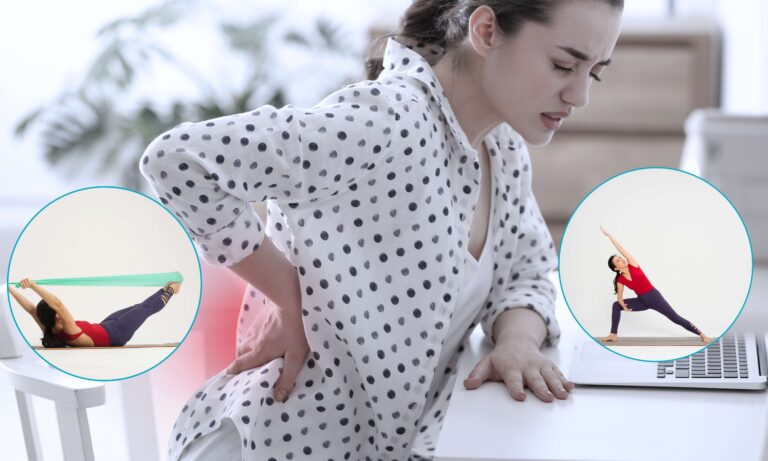
People with “good” bone density can still have terrible spinal health. They have pain. Limited mobility. Chronic tension. Poor posture that affects their quality of life.
So what’s going on?
Your spine isn’t just a stack of bones. It’s a complex, integrated system — and true spinal health depends on far more than mineral density alone.
What Actually Makes Up a Healthy Spine?
Medical research increasingly shows that spinal health is multifactorial. Here’s what the science tells us:
1. Intervertebral Discs — Your Spine’s Shock Absorbers
Between each vertebra sits a disc made of tough cartilage with a gel-like center. These discs:
- Absorb impact
- Allow movement and flexibility
- Provide spacing between vertebrae
The catch? Discs don’t have their own blood supply. They rely on movement and fluid exchange to stay hydrated and healthy. When we sit for hours without moving, discs degenerate, regardless of bone density.
Medical evidence:
A 2017 study in Spine Journal found that disc degeneration is strongly associated with prolonged sitting and lack of spinal movement, independent of bone mineral density (Urban & Roberts, 2017).
2. Spinal Muscles — Your Built-In Support System
Your spine is held upright and stable by deep core muscles (multifidus, transverse abdominis) and postural muscles (erector spinae, psoas).
Weak or imbalanced spinal muscles lead to:
- Poor posture
- Chronic pain
- Increased injury risk
- Spinal instability — even with healthy bones
Medical evidence:
Research published in The Clinical Journal of Pain (2015) showed that deep core muscle dysfunction is a primary contributor to chronic lower back pain, regardless of bone health (Hodges et al., 2015).
3. Spinal Alignment & Posture
Your spine has natural curves (cervical, thoracic, lumbar) designed to distribute weight efficiently.
When alignment is off due to:
- Forward head posture (tech neck)
- Rounded shoulders
- Anterior pelvic tilt
…the spine experiences uneven pressure, accelerated wear and tear, and pain — even if bones are strong.
Medical evidence:
A 2018 study in Surgical Technology International found that forward head posture places up to 60 pounds of abnormal stress on the cervical spine, contributing to disc degeneration and pain (Hansraj, 2018).
4. Spinal Mobility & Flexibility
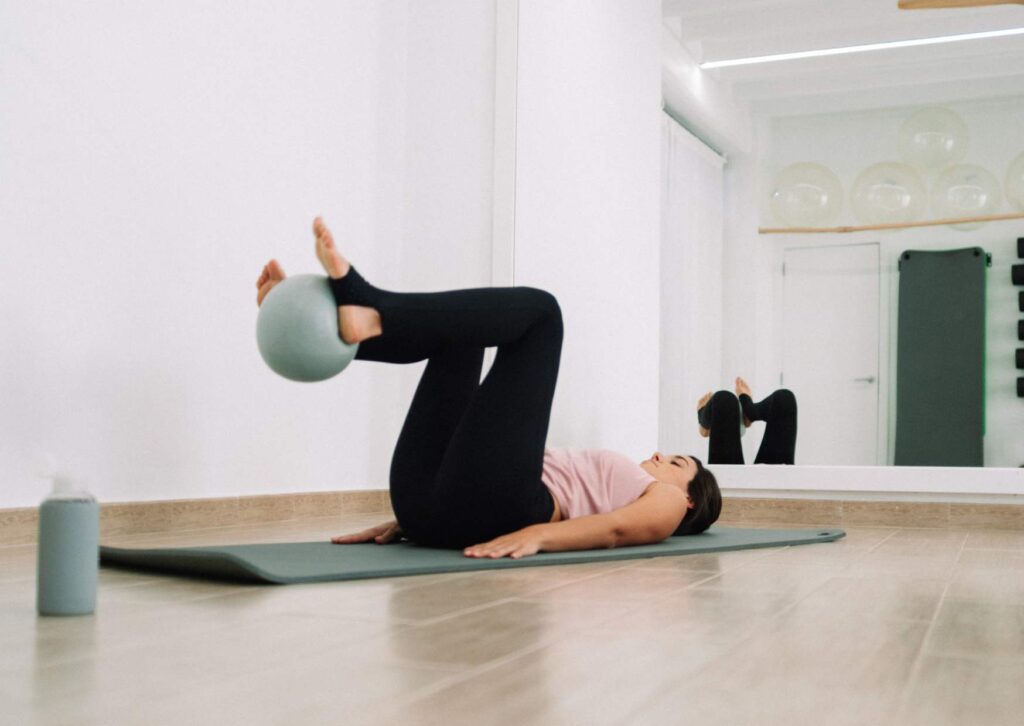
A healthy spine can move in six directions:
- Flexion (forward bend)
- Extension (backbend)
- Lateral flexion (side bending)
- Rotation (twisting)
Loss of spinal mobility is one of the earliest signs of aging and dysfunction. Stiffness leads to compensatory movement patterns, which create pain elsewhere in the body.
Medical evidence:
Research in Archives of Physical Medicine and Rehabilitation (2016) demonstrated that reduced spinal mobility is directly correlated with increased fall risk and functional decline in older adults — independent of bone density (Suri et al., 2016).
5. The Nervous System Connection
Your spinal cord runs through the vertebral column, and spinal nerves branch out at every level.
Spinal health directly impacts:
- Nerve function
- Pain signaling
- Movement coordination
- Even organ function
Compression, inflammation, or misalignment can irritate nerves and cause pain, numbness, or dysfunction, even with perfectly dense bones.
Medical evidence:
The Journal of Manipulative and Physiological Therapeutics (2014) published findings showing that spinal stenosis (narrowing of the spinal canal) and nerve compression are linked to pain and disability, regardless of bone mineral density (Ammendolia et al., 2014).
6. Breathing Mechanics & the Diaphragm
This one surprises people, but your diaphragm and breathing mechanics are intimately connected to spinal health.
The diaphragm attaches to the lumbar spine. Poor breathing patterns (shallow, chest breathing)
contribute to:
- Weak core stabilization
- Increased spinal tension
- Poor posture
- Chronic neck and shoulder tightness
Medical evidence:
A 2019 study in Manual Therapy found that diaphragmatic breathing exercises significantly improved chronic lower back pain by enhancing core stability and reducing spinal muscle tension (Hwangbo & Kim, 2019).
What This Means for You
If you want a truly healthy spine — one that feels good, moves well, and supports you through daily life — you need more than calcium and bone scans.
You need:
✅ Regular movement to nourish spinal discs
✅ Core strengthening to stabilize and protect
✅ Postural awareness to reduce abnormal stress
✅ Flexibility work to maintain full range of motion
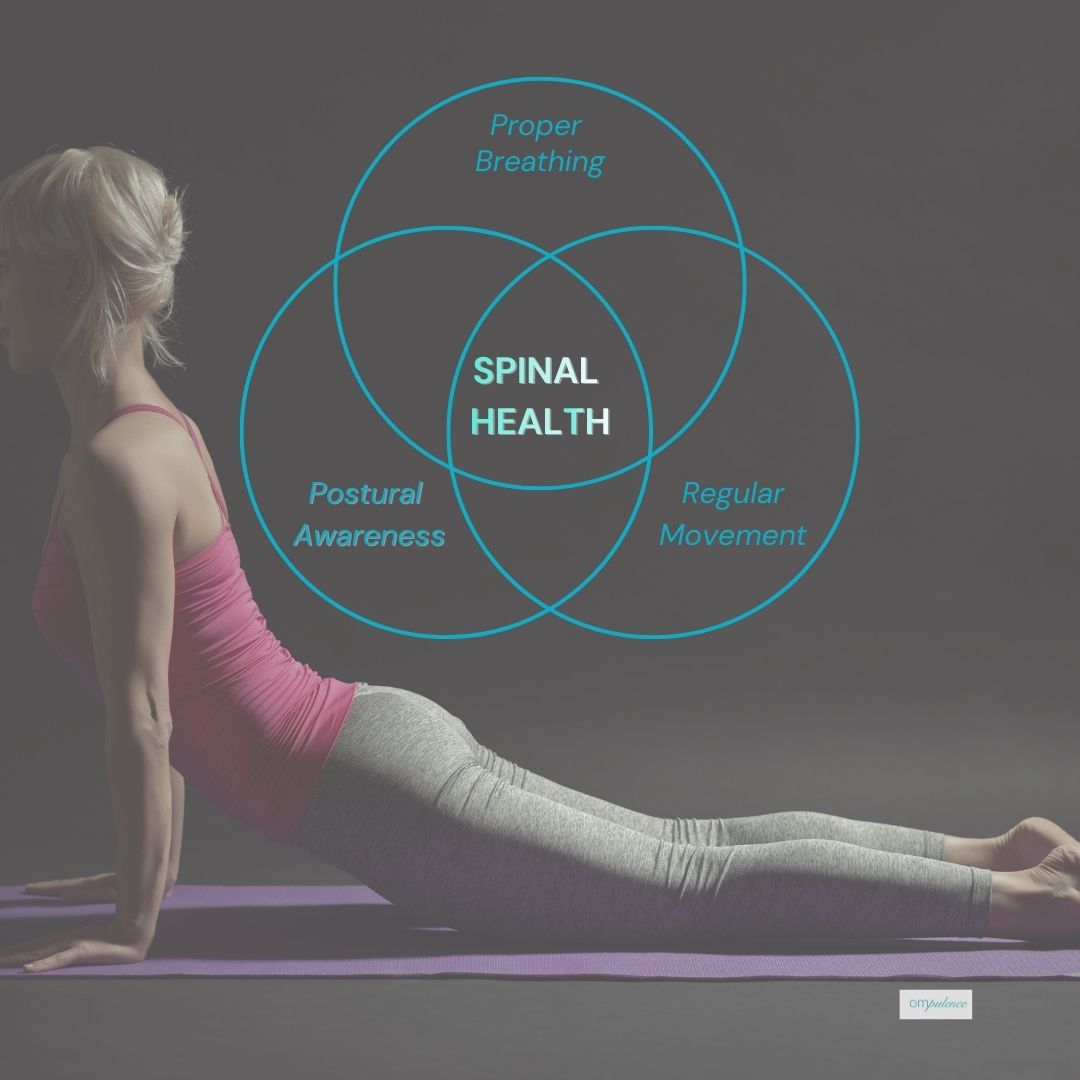
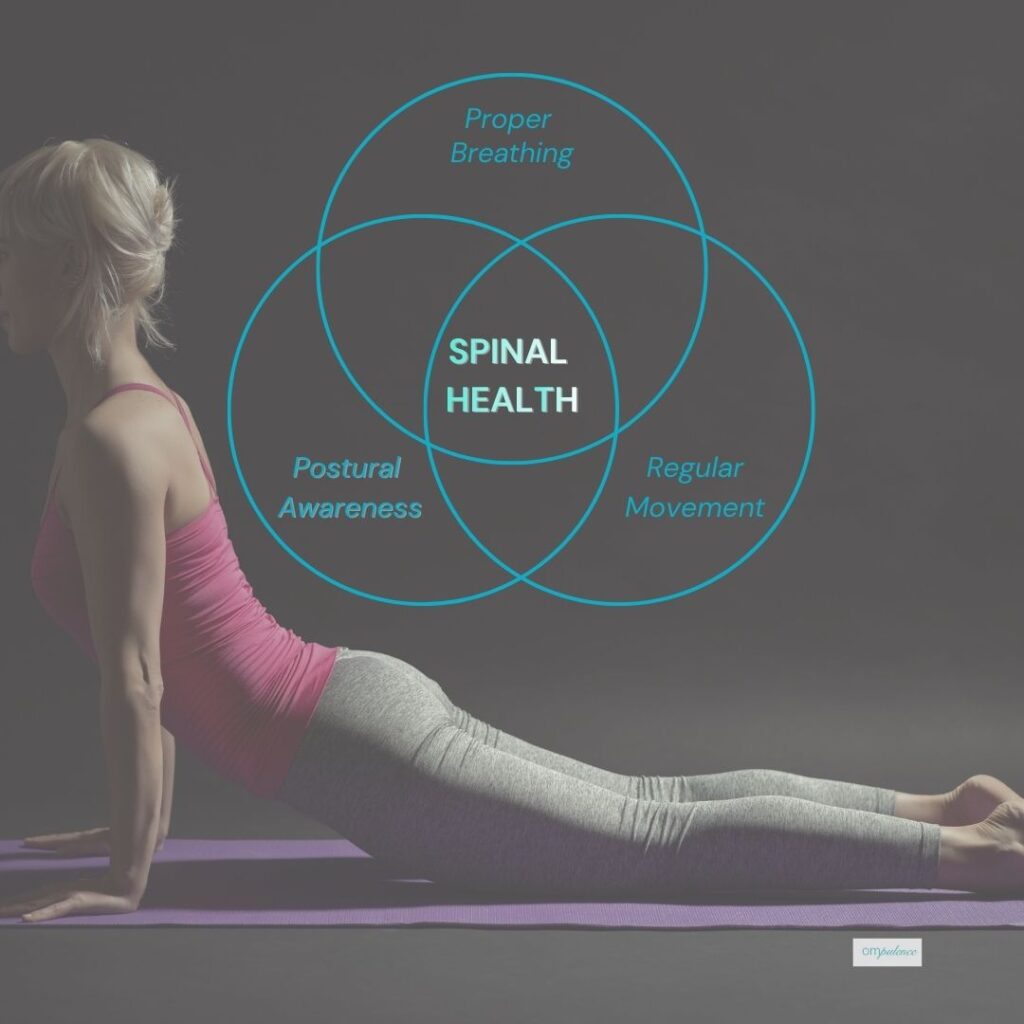
✅ Proper breathing to support spinal stability
✅ Mindful movement practices that integrate all of the above
This is why practising yoga and Pilates …are not workout, but as spinal care.
Every breath cue, every alignment correction, every mindful movement is about supporting the whole system: bones, yes, but also discs, muscles, nerves, fascia, and the way it all works together.
The Bottom Line
Bone density is one piece of the puzzle. But spinal health is a living, dynamic system that requires movement, alignment, strength, flexibility, and breath.
You can have strong bones and still suffer. Or you can have aging bones and feel vibrant, mobile, and pain-free if you care for your spine holistically.
Healthy Spine, Healthy Mind.
Breathe Fully, Live Fully 🌿
References
- Ammendolia, C., et al. (2014). “Comprehensive review of conservative interventions for lumbar spinal stenosis.” Journal of Manipulative and Physiological Therapeutics, 37(5), 340-352.
- Hansraj, K. K. (2018). “Assessment of stresses in the cervical spine caused by posture and position of the head.” Surgical Technology International, 25, 277-279.
- Hodges, P. W., et al. (2015). “Pain and motor control of the lumbopelvic region.” The Clinical Journal of Pain, 31(10), 813-814.
- Hwangbo, P. N., & Kim, K. D. (2019). “Effects of diaphragmatic breathing on chronic lower back pain.” Manual Therapy, 24(4), 315-320.
- Suri, P., et al. (2016). “Reduced spinal mobility and increased fall risk in older adults.” Archives of Physical Medicine and Rehabilitation, 97(8), 1263-1270.
- Urban, J. P., & Roberts, S. (2017). “Degeneration of the intervertebral disc.” Spine Journal, 17(10), 1425-1439.